
Tired of Constipation and Bloating? 5 Natural Ways to Heal Your Gut
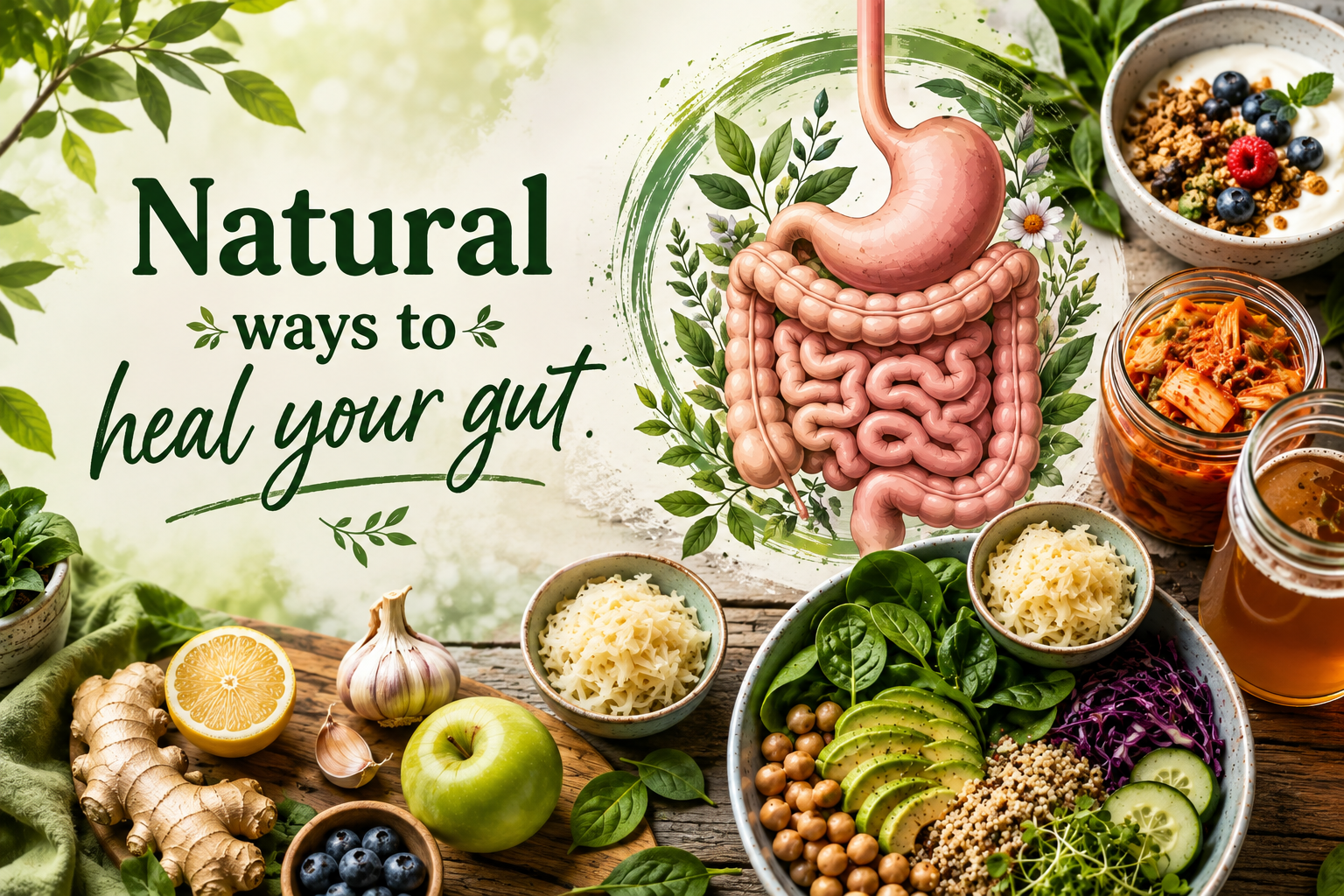
Are you constantly asking yourself, “why is my stomach always bloated after eating?” You are not alone. Thousands of Kenyans struggle with everyday digestive discomfort, running to local pharmacies for quick fixes. However, the secret to lasting relief isn’t found in expensive pills, but right in your kitchen. Learning how to treat stomach bloating in Kenya starts with shifting focus away from aggressive chemical cleanses. Instead, you can easily clean your stomach naturally at home using affordable, everyday staples. Let’s look at how to heal your gut using powerful local Kenyan foods.
Your gut is home to trillions of microorganisms that play a vital role in digestion, immunity, metabolism, and even mental health. Contrary to popular belief, a “gut detox” isn’t about drinking expensive detox teas or following extreme cleanses. Instead, it’s about creating the right environment for your digestive system to restore its natural balance.
When your gut microbiome becomes unhealthy, you may experience:
- Bloating and excessive gas
- Constipation or diarrhea
- Chronic fatigue
- Brain fog
- Food sensitivities
- Poor immunity
- Skin problems
- Difficulty maintaining a healthy weight
The good news is that your gut has remarkable healing abilities when supported with healthy lifestyle habits.
Understanding Your Gut’s Natural Cleaning System
One of the fascinating concepts discussed in the video is the Migrating Motor Complex (MMC)—often described as your gut’s internal “street sweeper.”
Unlike digestion, which occurs while you’re eating, the MMC becomes active between meals. Its job is to:
- Sweep away leftover food particles
- Remove harmful bacteria from the small intestine
- Prevent bacterial overgrowth
- Keep the digestive tract functioning efficiently
However, frequent snacking interrupts this natural cleaning process. Every time you consume calories—even small snacks—your digestive system switches back into digestion mode, temporarily stopping the MMC.
1. Space Your Meals Properly
One of the simplest ways to support gut repair is by allowing enough time between meals.
Aim to:
- Eat three balanced meals daily.
- Leave 4–5 hours between meals when practical.
- Avoid unnecessary grazing throughout the day.
- Drink water instead of calorie-containing snacks between meals.
Giving your digestive system regular breaks allows the gut’s natural cleaning mechanisms to function effectively.
2. Feed Your Good Gut Bacteria
Your beneficial gut microbes thrive on dietary fiber, particularly fibers found in plant foods.
Instead of focusing on supplements, focus on diversity.
A useful target is consuming 30 or more different plant foods each week, including:
- Fruits
- Vegetables
- Legumes
- Herbs
- Whole grains
- Nuts
- Seeds
- Spices
Different bacteria prefer different fibers, so greater diversity promotes a healthier and more resilient microbiome.
3. Increase Fiber Gradually
Fiber serves two important purposes:
- It feeds beneficial bacteria.
- It promotes regular bowel movements.
Excellent fiber sources include:
- Oats
- Beans
- Lentils
- Apples
- Berries
- Broccoli
- Sweet potatoes
- Chia seeds
- Flaxseeds
If your current fiber intake is low, increase it gradually while drinking plenty of water to avoid excessive bloating.
4. Include Fermented Foods
Fermented foods naturally introduce beneficial microbes into the digestive system.
Examples include:
- Plain yogurt with live cultures
- Kefir
- Sauerkraut
- Kimchi
- Miso
- Tempeh
Research suggests regular fermented food consumption can improve microbial diversity and reduce markers of inflammation in some people.
5. Stop Eating Late at Night
Your digestive tract repairs itself most efficiently during overnight fasting.
To maximize this repair period:
- Finish dinner at least three hours before bedtime.
- Aim for a daily eating window of about 10–12 hours.
- Maintain consistent meal times.
Late-night eating can interfere with digestion, sleep quality, and the gut’s overnight maintenance processes.
6. Manage Stress Before Eating
Digestion works best when your body is in a relaxed “rest and digest” state.
Stress activates the sympathetic (“fight or flight”) nervous system, slowing digestion.
Before meals:
- Pause for a moment.
- Take three slow, deep breaths.
- Eat slowly and chew thoroughly.
This simple habit may improve digestion by engaging the vagus nerve, which helps regulate digestive function.
7. Reduce Harmful Environmental Exposures
The video also emphasizes reducing unnecessary environmental stressors that may affect the gut microbiome.
Practical steps include:
- Drinking clean, safe water.
- Washing fruits and vegetables thoroughly.
- Choosing minimally processed foods.
- Limiting unnecessary exposure to pesticides where feasible.
- Avoiding excessive alcohol intake.
- Not smoking.
While no single change “detoxifies” the gut, reducing harmful exposures supports overall gut health.
8. Eat More Whole Foods
Ultra-processed foods often contain:
- Refined sugars
- Artificial additives
- Emulsifiers
- Low fiber
Replacing these foods with whole foods supports a healthier gut microbiome.
Choose more:
- Fresh vegetables
- Fruits
- Whole grains
- Lean proteins
- Healthy fats
- Legumes
9. Stay Hydrated
Water supports:
- Nutrient absorption
- Regular bowel movements
- Healthy mucus production
- Overall digestive function
Most adults should drink enough fluids throughout the day, with needs varying by activity level, climate, and individual health.
10. Sleep Well
Poor sleep has been associated with changes in gut bacteria and increased inflammation.
Aim for:
- 7–9 hours of quality sleep each night
- Consistent bedtimes
- Limiting heavy meals close to bedtime
Healthy sleep and healthy gut bacteria reinforce each other.
Foods That Support Gut Repair
Focus on including:
Prebiotic Foods
- Garlic
- Onions
- Asparagus
- Bananas
- Oats
- Chicory root
High-Fiber Foods
- Lentils
- Beans
- Brown rice
- Sweet potatoes
- Apples
- Pears
Fermented Foods
- Yogurt
- Kefir
- Kimchi
- Sauerkraut
- Miso
Anti-inflammatory Foods
- Berries
- Fatty fish
- Olive oil
- Turmeric
- Ginger
- Green tea
Foods to Limit
Reducing these may help some people improve digestive health:
- Sugary beverages
- Highly processed snacks
- Excess alcohol
- Excessive refined carbohydrates
- Frequent fast food
- Artificial sweeteners (for some individuals)
Important Reality Check: Your Gut Doesn’t Need a “Cleanse”
One of the biggest misconceptions is that the digestive tract needs aggressive cleansing.
In reality:
- Your liver and kidneys naturally remove waste.
- Your intestines continuously renew their lining.
- Healthy bacteria help regulate digestion.
Rather than trying to “flush toxins,” focus on supporting your body’s built-in repair systems through nutrition, movement, sleep, hydration, and stress management. Rapid detox products and extreme cleanses generally lack strong scientific evidence and may even be harmful.

You may also like

FREE Weekly Family Meal Plan